Dongguan City Betterly New Materials Co., Ltd.

Betely provides thermal management materials and thermal conductive materials for electronics, energy systems and automotive applications. Our material portfolio includes thermal interface materials, thermal grease, thermal conductive gel, thermal potting material and thermal compound solutions for heat transfer, gap filling and long-term reliability.


These heat dissipation materials are designed to support different thermal paths, from chip-to-heat-sink interfaces and PCB assemblies to power modules, battery systems and protected electronic components. Betely can recommend suitable materials based on gap size, thermal resistance target, dispensing process, operating temperature and reliability requirements.


What Are Thermal Management Materials?


Thermal management materials are used to transfer heat from heat-generating components to heat sinks, housings, cooling plates or other heat dissipation structures. In electronic devices, power modules, batteries and high-performance assemblies, these materials help improve thermal contact, fill micro-gaps and reduce heat accumulation.

Unlike ordinary filling or bonding materials, professional heat dissipation materials must balance thermal conductivity, thermal resistance, bond line thickness, viscosity, dispensing performance, insulation and aging stability. The right material selection can improve device stability, reduce hot spots and support long-term operating reliability.

  • Improve heat transfer between chips, modules, PCBs, batteries and housings

  • Reduce interface thermal resistance and unstable thermal contact

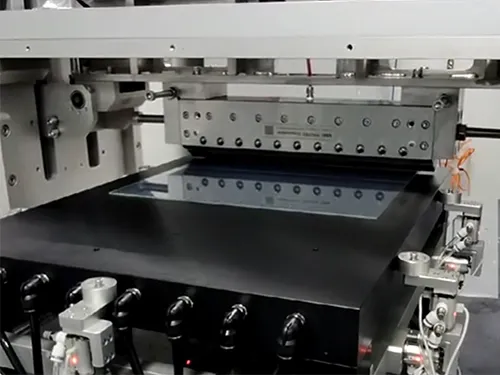
  • Support screen printing, automated dispensing, potting or gap-filling processes

  • Maintain stable performance under heat, humidity, vibration and aging

Request Material Recommendation
Betely Thermal Conductive Materials Portfolio

Betely offers different thermal conductive materials for interface heat transfer, gap filling, potting and long-term reliability requirements. The portfolio supports a range of applications from thin-interface heat transfer to larger gap filling and encapsulation.

  • developer_board
    Thermal Grease / Thermal Compound

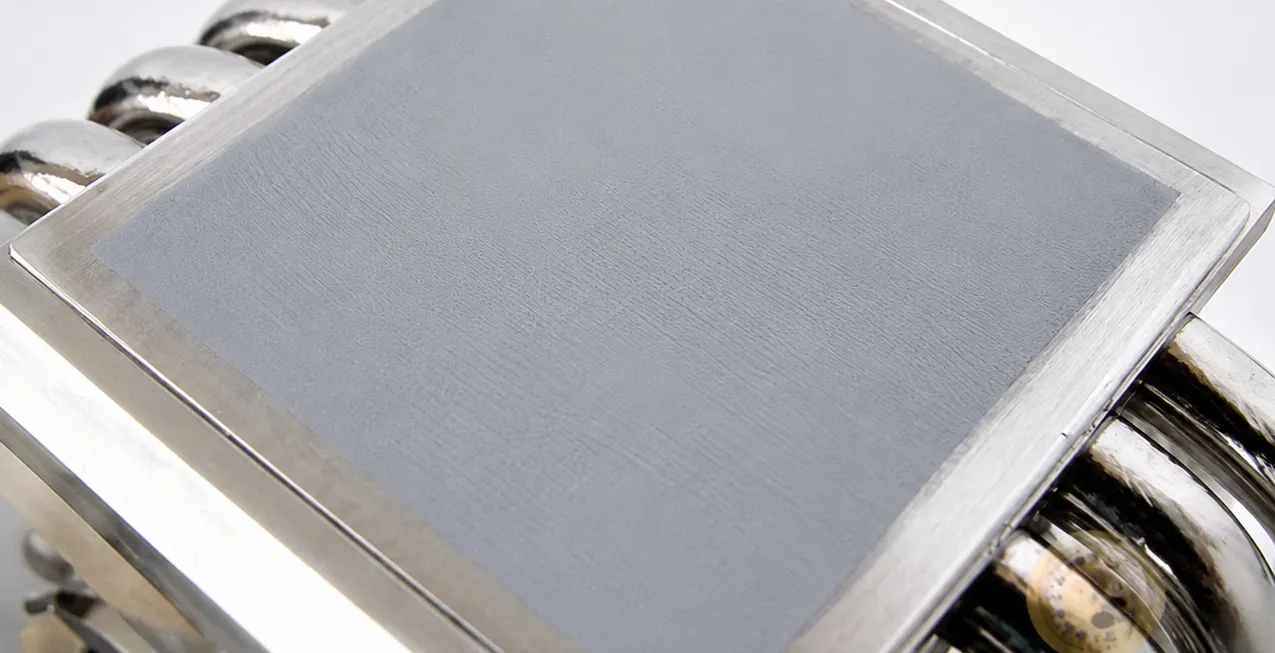
    Thermal grease and thermal compound are suitable for thin bond lines and low thermal resistance requirements in chip, module and heat sink interface applications.

  • water_drop
    Thermal Conductive Gel

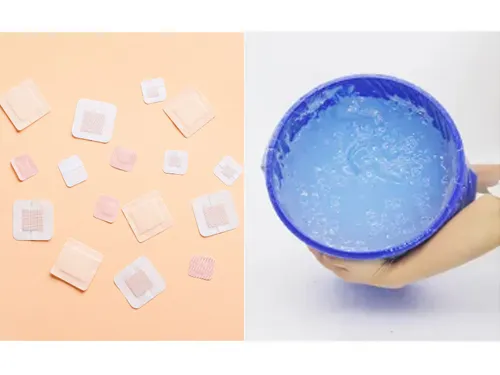
    Thermal conductive gel is designed for gap filling, stress relief and automated dispensing. After curing, it helps fill gaps while supporting vibration and stress reduction.

  • heat_pump_balance
    Thermal Potting Material

    Thermal potting material can be used when electronic assemblies require heat dissipation, encapsulation, insulation and environmental protection.

  • join
    Thermal Interface Materials

    Thermal interface materials improve contact between heat-generating devices and thermal structures, helping reduce thermal resistance and improve heat dissipation efficiency.


Material TypeMain FunctionSuitable Requirement
Thermal Grease / Thermal CompoundThin-interface heat transfer and low thermal resistanceSmall BLT, chip/module-to-heat-sink contact
Thermal Conductive GelGap filling, stress relief and vibration reductionUneven gaps, dispensing process, cured soft interface
Thermal Potting MaterialEncapsulation, insulation and heat dissipationPower electronics, PCB assemblies and protected modules
Thermal Interface MaterialsImprove heat transfer between components and heat sinksElectronics, energy and automotive thermal paths


How to Choose Thermal Interface Materials

Choosing the right thermal interface materials requires more than comparing thermal conductivity. Engineers also need to evaluate interface thickness, pressure, viscosity, dispensing method, insulation, pump-out resistance and aging stability.


Selection FactorWhy It MattersMaterial Direction
Thermal ConductivityDetermines heat transfer capability under the same structureThermal grease, gel or potting material
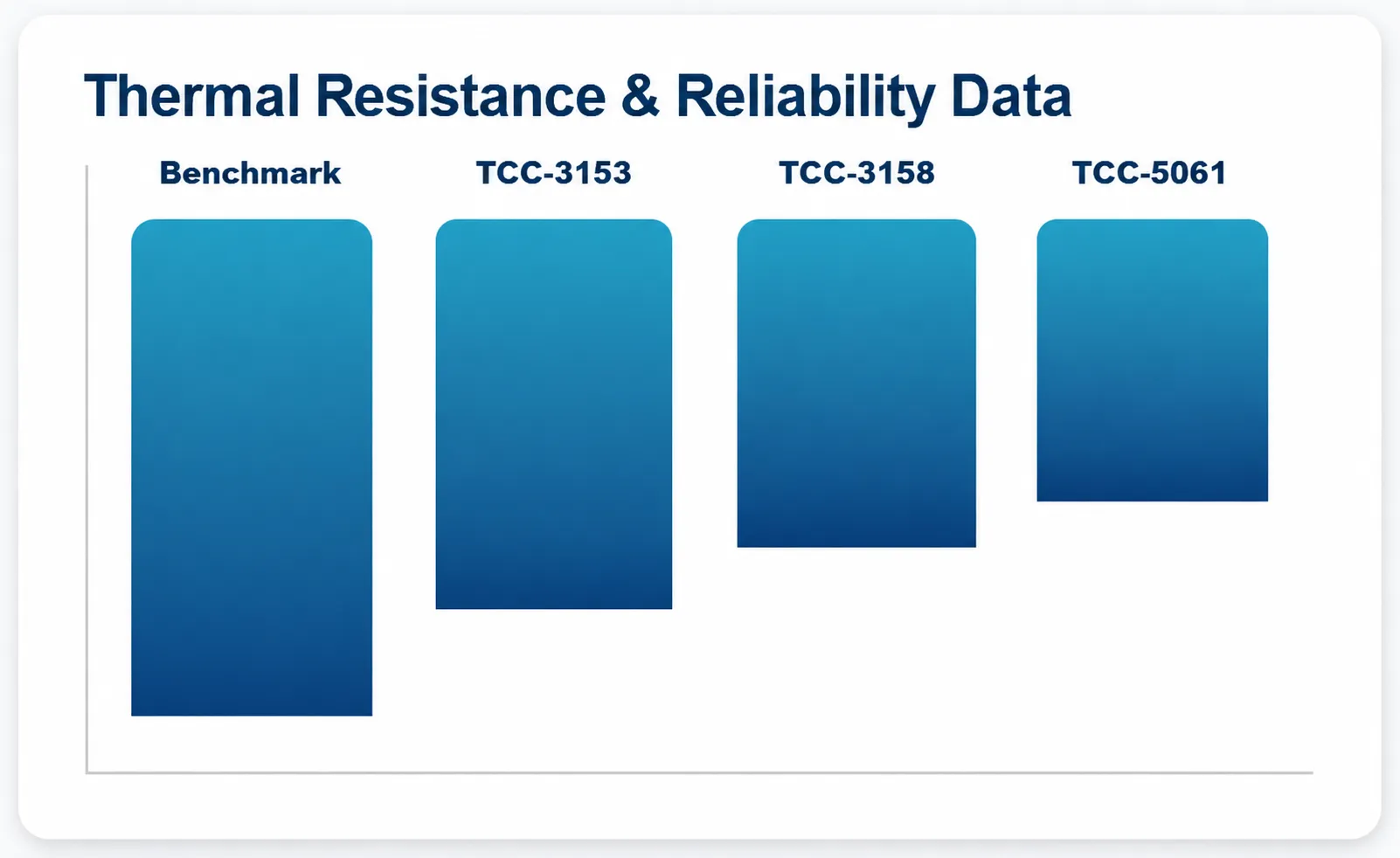
Thermal ResistanceDirectly affects actual interface heat transfer efficiencyLow-resistance thermal grease / thermal compound
Bond Line ThicknessThin BLT is important for compact chip and module interfacesThermal interface materials with stable BLT control
Viscosity and RheologyAffects dispensing, screen printing, overflow and processing stabilityCustom-engineered thermal grease or gel
Gap SizeLarge or uneven gaps require better filling abilityThermal conductive gel
Encapsulation NeedSome assemblies require protection, insulation and heat dissipation togetherThermal potting material
Long-Term ReliabilityMaterial should resist drying, cracking, sagging and pump-outHigh-reliability heat dissipation materials


Processing and Reliability Support for Thermal Conductive Materials

For B2B customers, thermal conductive materials must be suitable not only for laboratory testing, but also for real production processes such as screen printing, automated dispensing, curing, assembly and long-term operation.


Reliability Advantages

  • Compatible with screen printing and automated dispensing processes

  • Reduced risk of dripping, overflow or contamination during application

  • Stable thermal performance after assembly

  • Resistance to drying and pump-out during long-term use

  • High-temperature and high-humidity reliability support

  • Material selection based on BLT, viscosity and application pressure


This section should highlight Betely’s process understanding, not only product parameters. It helps the page serve engineers, R&D teams and purchasing teams looking for reliable heat dissipation materials.


FAQ About Thermal Management Materials

These questions help engineers and purchasing teams understand the differences between thermal interface materials, thermal grease, thermal conductive gel, thermal potting material and other heat dissipation materials before requesting a recommendation.

Can Betely recommend a thermal material based on my application?

Yes. Betely can recommend suitable thermal conductive materials based on your thermal path, gap size, processing method, reliability requirements and target application.

What are thermal management materials used for?

Thermal management materials are used to transfer heat from electronic components, power modules, batteries or assemblies to heat sinks, housings or cooling structures.

What is the difference between thermal grease and thermal conductive gel?

Thermal grease is usually used for thin-interface heat transfer and low thermal resistance, while thermal conductive gel is better for gap filling, dispensing, stress relief and vibration reduction.

When should I choose thermal potting material?

Thermal potting material is suitable when an electronic assembly requires heat dissipation, encapsulation, insulation and environmental protection at the same time.

Get a Catalog & Best Price