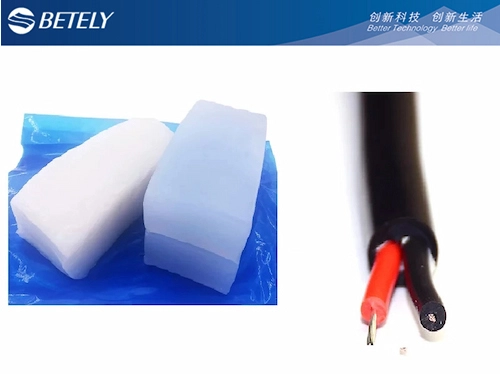
When it comes to designing medical devices like catheters, choosing the right material is crucial. Among the wide range of available options, medical silicone rubber stands out as the best choice for catheter cavities due to its exceptional biocompatibility, safety, and versatility. As a leading medical silicone manufacturer, Betely understands the critical role that material selection plays in healthcare innovation.
In this blog, we'll explore the properties and advantages of medical silicone rubber and why it remains the material of choice for catheter cavities and other sensitive medical applications.
What is Medical Silicone Used For?
Medical silicone rubber is a highly versatile material widely used in healthcare. Its flexibility, chemical stability, and compatibility with human tissue make it ideal for a range of applications, including:
Its unique combination of non-toxicity, hypoallergenic properties, and durability has made it indispensable in the development of safe and effective medical devices.
What is the Difference Between Medical-Grade Silicone and Regular Silicone?
Though they may look similar, medical-grade silicone and regular silicone are very different in terms of composition, safety, and intended use. The table below outlines key differences:
Feature | Medical-Grade Silicone | Regular Silicone |
Purity Level | Ultra-high purity, low extractables | Contains fillers, may release unwanted compounds |
Biocompatibility | Tested and certified for body contact | Not tested for biocompatibility |
Sterilization Compatibility | Can withstand autoclaving, radiation, and chemical sterilization | May degrade or release toxins when sterilized |
Regulatory Approval | Complies with ISO 10993, USP Class VI, and FDA standards | No medical-grade certification |
As a reputable medical silicone manufacturer, Betely ensures all medical silicone materials undergo strict quality control and testing to meet regulatory standards, ensuring their safe use in surgical environments.
Biocompatibility: A Non-Negotiable Requirement
One of the most critical features of medical silicone rubber is biocompatibility. This term refers to the ability of a material to perform with an appropriate host response in a specific situation. For catheter applications, the material must not irritate tissues or cause allergic reactions even after extended contact.
Silicone rubber has been proven to be:
These characteristics make medical silicone material ideal for sensitive uses like catheter cavities. Betely's medical-grade silicone undergoes extensive biocompatibility testing, including cytotoxicity, sensitization, and irritation assessments, ensuring patient safety and comfort.
Safe Material Choice for Long-Term Implantation
When choosing a material for a device that will reside in the human body for days or even months, safety is paramount. Silicone rubber is not only biostable but also highly chemically inert, meaning it does not interact with bodily fluids or tissues in any harmful way.
Why silicone is a safe choice:
Betely provides silicone rubber specifically designed for long-term use, including implantable-grade options that meet stringent international safety standards.
Conclusion
Choosing the right material for catheter cavities can directly affect patient outcomes, safety, and comfort. Medical silicone rubber continues to lead the way thanks to its biocompatibility, purity, flexibility, and inertness. Whether for short-term catheter use or long-term implants, it is the safest, most reliable choice.
As a trusted medical silicone manufacturer, Betely offers high-quality, customizable medical silicone materials engineered for healthcare professionals and device designers worldwide. With a commitment to innovation and safety, Betely supports the next generation of life-saving medical devices.
Ready to find the right silicone solution for your catheter design? Contact Betely today for expert guidance and material support.